Cabin, Cutter, Kettle: Overnight Berths That Put You Right on the Harbour
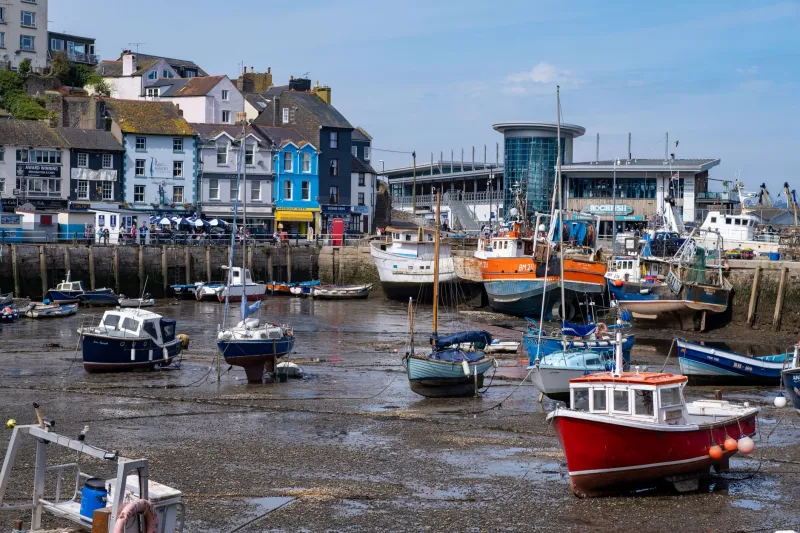
There is a particular sound to a harbour at night. Ropes creak, halyards ping, water slaps at fibreglass, and somewhere a kettle gets put on. If you have ever stood on a quay wall and wondered what it would be like to stay on one of those boats rather than just photograph it, this is your nudge. A night aboard a converted pilot cutter, barge or houseboat is not a hotel stay with a nautical theme. It is a proper little port break, with the tide for a neighbour and the pub a short, salty walk away.
What you are actually booking
Boat stays come in several flavours. The classic is a converted working boat: an ex-pilot cutter, fishing vessel or small cargo barge with a cabin below and a wheelhouse you are allowed to sit in with a mug. Then there are houseboats proper, often moored permanently and plugged into shore power, which feel more like a floating cottage. Some harbour towns also have barge-hotels or floating B&Bs where breakfast is served ashore or in a communal saloon.
What they share is character and compromise. Space is clever rather than generous. Storage is under bunks and behind panels. Headroom may involve a stoop. The shower might be a marina block twenty steps along the pontoon, and the loo might be a pump-out job with instructions. None of that is a problem if you pack for it, but it is worth reading the listing properly rather than assuming a floating hotel suite.
Tide, heating and the creaky-pontoon reality
Tide is part of the deal. In a tidal harbour, the view from your window can change from glossy water to mudflat and back while you are out buying milk. Access can change too. Some pontoons become steep ramps at low water; others are floating and stay level. Ask the owner what the walk ashore is like at the time of year you are visiting, especially if you have heavy bags or a dodgy knee.
Heating matters more than you think. A well-sorted boat in October or November is cosy, often with a diesel heater, wood-burner or electric radiator. A poorly sorted one is a condensation factory. Look for reviews that mention warmth, not just charm. Bring layers, a warm hat for wheelhouse sitting and slippers or thick socks for wooden floors.
Motion is usually gentle in an inner harbour, but not zero. If you are sensitive to movement, ask for a berth in the sheltered basin rather than the outer pontoon. And pack soft bags. Wheeled suitcases are awkward on narrow gangways, and nobody wants to hear your case clattering down the pontoon at midnight.
Six harbour towns worth bedding down in
Brixham, Devon
Brixham's inner harbour is a proper working scene: trawlers, breakwater walks and a high chance of fish for supper. Boat stays here tend to be simple and atmospheric rather than plush. Walk the Breakwater in the morning, then loop back past the statue and into town for a pub lunch. It is also a fine base for the South West Coast Path, even if you only do a short there-and-back section.
Dartmouth, Devon
Dartmouth gives you river-and-sea theatre. A night aboard here means watching ferries and yachts come and go, then walking up to the castle or along the embankment before the crowds arrive. The town is hilly, so factor that in with bags. In return you get pubs with fires, a short hop to the coast, and that lovely sensation of being on the water without actually having to sail anywhere.
Falmouth, Cornwall
Falmouth is a harbour town with several moods: the busy quays, the Packet Quays side, and the quieter corners around the docks. Boat accommodation here suits people who like a bit of maritime bustle with their morning coffee. Walk out towards Pendennis Point for the big view, then retreat to town for a pasty or a proper sit-down meal. Off-season, the place feels more like itself.
Whitby, North Yorkshire
Whitby does drama. Abbey on the cliff, harbour below, boats coming and going with the tide. A night afloat puts you right in the middle of it, though be prepared for weather that can turn a wheelhouse into the best seat in town. Walk the pier, climb the abbey steps, then find a pub with dark beer and a window on the water. It is a bracing sort of cosy.
Oban, Argyll
Oban is a ferry town, a seafood town and a gateway to the islands. Staying on a boat here feels less like a novelty and more like part of the local rhythm. Watch the CalMac traffic, take a short walk up to McCaig's Tower for the view, and eat well without fuss. The weather can be soft and grey, which only makes the cabin kettle more appealing.
Plymouth, Devon
Plymouth's Sutton Harbour and Barbican area give you old quays, fishing boats and a lively run of pubs and cafes. Boat stays here work well for a city-meets-coast weekend: walk the harbour, cross to the Hoe, and maybe book a lido swim if you are feeling brave. It is also handy for the ferry if you are heading further west.
Packing for a night afloat
Bring a head torch, a refillable water bottle and a small flask. A dry bag is useful for damp swimmers or wet walking gear. Earplugs help with pontoon noise and halyards. And bring cash or check card acceptance; some small harbour businesses still prefer the former, and signal can be patchy.
Book smart, walk far
Ask the owner three questions before you book: how do we get aboard at low tide, how warm is the boat in the month we are coming, and where is the nearest decent pub? The answers tell you more than any glossy photo. Then plan your break around the harbour rather than against it. A boat stay is not about pretending you are at a spa. It is about waking up with the water right there, pulling on a jumper, and walking out into a port town before it has fully rubbed the sleep from its eyes.