The Ledger Room Has a Bed: Six Old Customs Houses for a Salt-Air Sleep
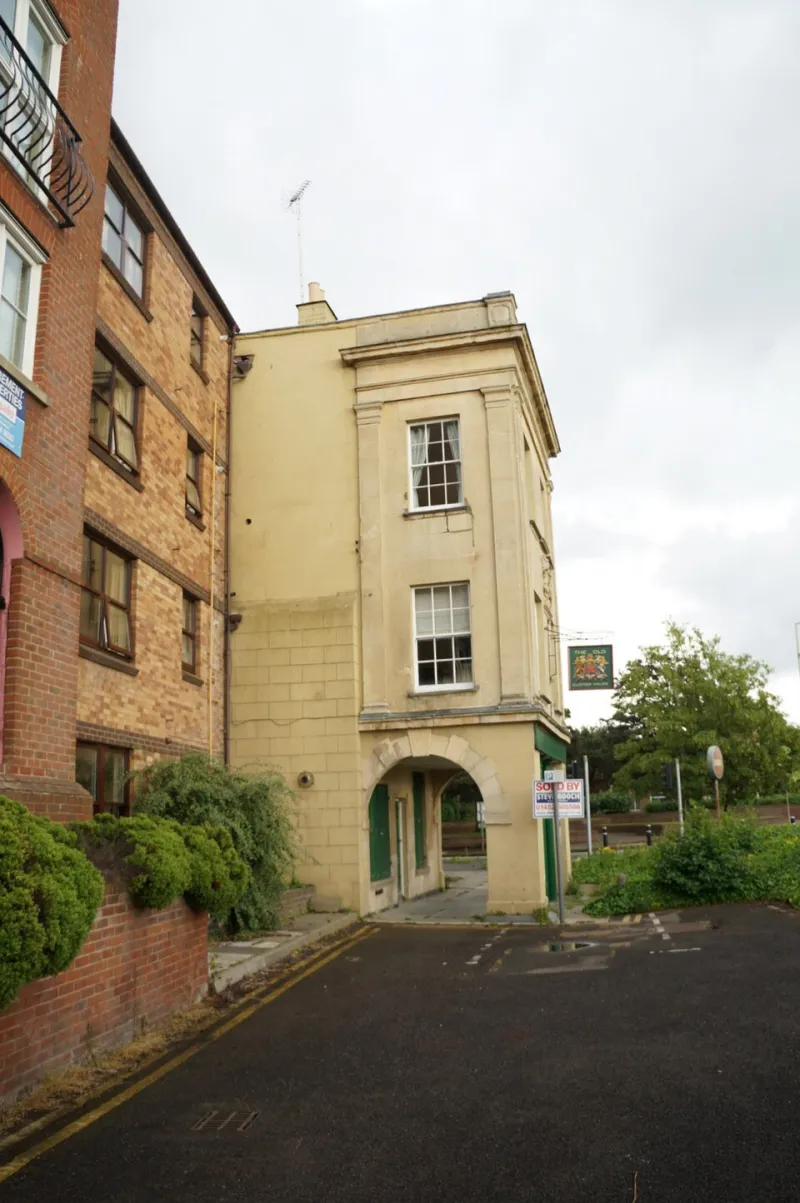
Photo: Ian S , CC BY-SA 2.0, via Wikimedia Commons
The old custom house is the building that made a port official. It was where the cargo was counted, the duty was argued over and the paperwork got a stamp whether the tide liked it or not. Most of that trade has moved on, but a surprising number of these buildings have found a second life as places to stay. Not museums with a rope across the stairs — actual beds, kettles and sea views.
That makes them a fine off-season proposition. You get the solid bones of a harbour building, a short walk to the working quay and a story you can read in the brickwork before breakfast. Here are six ports where the old revenue building has learned to keep the night watch.
Whitehaven, Cumbria: coal counted, beds made
Whitehaven’s old custom house sits close enough to the harbour that you can hear the rigging before you’ve found the light switch. The town grew fat on coal and tobacco, and the custom house was where that trade was tallied. The building now offers self-catering rooms and apartments, so you can stay in the old administrative heart of the port rather than on its edge.
Look for the deep window reveals, the stone stair and the general air of a place that once kept very careful records. Ask whoever holds the keys about the strongroom — former customs buildings usually had one, and the thick door is often the best surviving clue to what went on here.
Out of doors, the harbour wall is a ten-minute amble and the Cumbria Coastal Way picks up the scent south. In colder months, the walk to the old pier and back is enough: salt, gulls, a bit of wind and a cup of tea waiting indoors.
Southwold, Suffolk: revenue and sea fret
Southwold’s old custom house has the sort of front door that suggests it once knew exactly how much a barrel was worth. It now works as a holiday let, with rooms that feel more linen and lamp than ledger and stamp. The building sits a street or two back from the beach, which is the right place for it: customs officials liked to see the water without getting their boots wet.
Inside, the proportions do the talking. High ceilings, generous windows and a sense that the walls have absorbed a century or two of quiet paperwork. The town itself is a brisk little grid of flint, brick and pub signs, with the Suffolk Coast Path running north to Walberswick and south towards Dunwich.
This is a good winter stay because Southwold does off-season well. The beach is for walking, not swimming; the pier is for a bracing look back at the town; and the pubs are for settling in once the light goes. Book direct and ask about parking — harbour towns are generous with views and stingy with spaces.
Fowey, Cornwall: tally sticks and a river window
Fowey’s custom house stands on the quay, which is exactly where you want it. The river was the port’s living, and the building was the point where imports, exports and excuses were sorted out. Today there are rooms above the old working spaces, with windows that look straight out over the water and across to Polruan.
What survives is mostly atmosphere: thick walls, low beams, a sense of a room that has been used for serious business. Some of these buildings retain old counters or cupboards; others have been gently modernised until the only clue is the shape of the place. Either way, you are sleeping in the port’s old front office.
Build the break around the Hall Walk, the well-known loop that takes in Bodinnick and Polruan with a couple of ferry hops. It is one of the best half-days on this coast, and it starts more or less from your doorstep. Off-season, Fowey is quieter but still working — a few boats, a few dog walkers, a few lights on the water.
Harwich, Essex: the stamp and the shingle
Harwich has always been a port of comings and goings, and its old custom house is part of that story. The building now takes guests in rooms that sit close to the Ha’penny Pier and the town’s tangle of old streets. It is not a grand seaside address; it is a working harbour address, which is rather the point.
Inside, expect the sturdy sort of architecture that comes from a building designed to hold records and keep out damp. The old customs rooms have been softened into somewhere you can put your feet up, but the geometry is still there: strong walls, sensible windows, a stair that means business.
Walk west along the shore towards Dovercourt, or take the short ferry hop across to Felixstowe when it is running. The Essex Way and the coast path give you options if you want a longer leg-stretch. In the evening, the pier is the place to watch the lights come on and the harbour get its second wind.
Kirkcudbright, Dumfries & Galloway: the art of the receipt
Kirkcudbright is an artists’ town now, but it was a port first. The old custom house here has been converted into guest rooms, and it wears its new life lightly. You can still see the bones of the building — the thick walls, the odd corner, the windows that were placed for looking out at the water rather than for showing off.
The town’s harbour is small and tidal, which makes the custom house feel even more like a relic of a busier commercial past. The good walk is out along the shore towards Torrs Point, or a potter around the streets where painters and makers now occupy the old warehouses and shops.
This is a stay for people who like a bit of quiet with their maritime history. Off-season Kirkcudbright is not sleepy so much as self-contained: a few good places to eat, a gallery or two, and a harbour that rewards a slow look rather than a quick photo.
Aberaeron, Ceredigion: a revenue house in honey stone
Aberaeron is one of those towns that looks as if it was built to be painted, and the old custom house fits right in. The harbour was planned in the early nineteenth century, and the revenue building was part of the machinery that made it work. Today it offers rooms in a town that is small enough to walk end to end in twenty minutes.
The building retains the usual customs-house virtues: solid walls, a central position and a sense of having been important once. Look for old stonework and any surviving strongroom or office nook. The harbour itself is the main event, with its colourful houses and little river mouth opening onto Cardigan Bay.
The Wales Coast Path runs through town, so you can head north towards Aberystwyth or south towards New Quay without ever getting in a car. Off-season, the harbour is quiet, the sea is loud and the cafés are glad of you. It is a fine place to end a trip built around old ledgers and new walks.
The practical bit
Former customs houses are often small operations, so book direct where you can and ask about the details that matter: stairs, parking, whether the heating is as sturdy as the walls. None of these places is a hotel in the full-service sense, and that is part of the charm. You are staying in a building that once charged the cargo, and now charges the kettle.
Take a torch for winter evenings, a flask for the harbour wall and a bit of curiosity about the room you are sleeping in. The paperwork has gone, but the port is still outside the window.