Splice, Stitch, Sand: Six Harbours Where You Can Get Hands-On With Maritime Craft
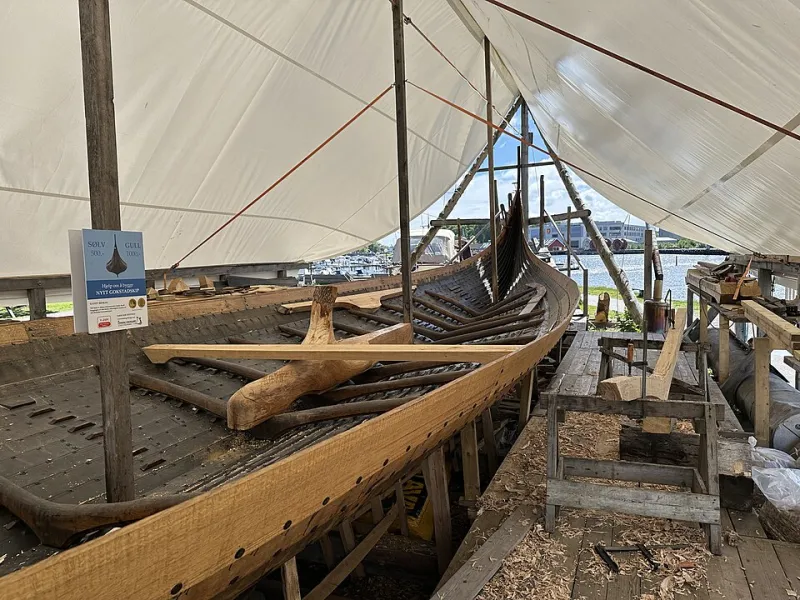
Photo: Wolfmann, CC BY-SA 4.0, via Wikimedia Commons
The best maritime craft courses are not the ones where you watch a bloke in a waistcoat tie a decorative knot. They are the ones where you are handed a mallet, shown a scarfed plank and told to get on with it while the light holds. By November, many yards have stopped racing the season and started teaching again. That is the sweet spot.
Lowestoft: sawdust, scarfs and sharp tools
Lowestoft still smells of boatbuilding. The International Boatbuilding Training College runs short courses and taster days in traditional wooden boat work, and the pace suits beginners who want to understand why a plank is shaped before it is fixed. A half-day usually means sharpening, timber selection and a simple joint or repair under supervision. You will not leave as a shipwright. You will leave knowing which end of a chisel is which, and why the grain matters.
Book direct in the quieter months and ask what the student-to-instructor ratio is. Winter sessions are often smaller. Stay in the town centre and walk down to the yard; the harbour, the score and the morning coffee are all within a brisk fifteen minutes.
Portsmouth: heritage skills in Boathouse 4
Portsmouth Historic Dockyard is not just a place to look at old ships. Boathouse 4 is a working boatbuilding and heritage skills hub, with short courses, family drop-ins and longer programmes in traditional construction and repair. A half-day session might involve lofting, clenching or simple joinery, depending on what is on the bench that week. The setting helps: you are a few minutes from the masts and a few more from the pub.
Stay in Old Portsmouth or around Gunwharf and leave the car. The walk between the dockyard, the harbour wall and the evening meal is flat, obvious and much better than negotiating car parks. Off-season rates make a two-night stay feel less like a treat and more like sensible logistics.
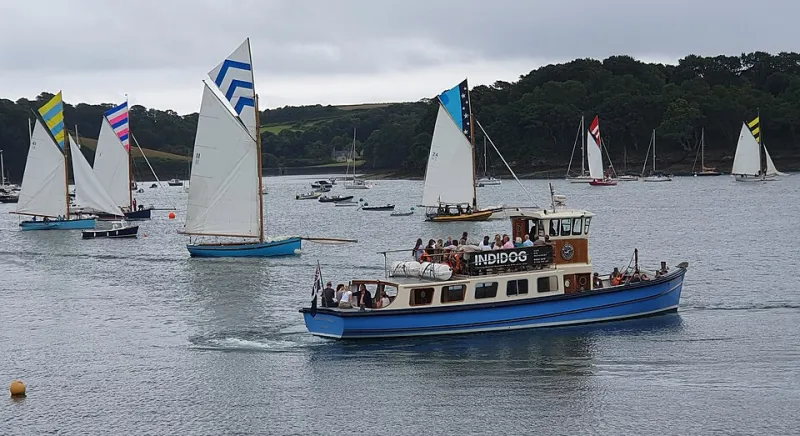
Falmouth: sail lofts, rope walks and a working quay
Falmouth is a good place to learn because it has not turned its back on the water. The marine school and the National Maritime Museum Cornwall both run short courses and workshops through the year, from boat maintenance to ropework and sail repair. A half-day sailmaking session is usually less about stitching a full sail and more about understanding cloth, seams, patches and why a small tear becomes a large bill if ignored.
Book ahead for autumn and winter sessions, especially if you want a weekend. Stay near Events Square or the Moor and walk to the class. The town is compact, but the hills are real. Pack shoes you can stand in for four hours.
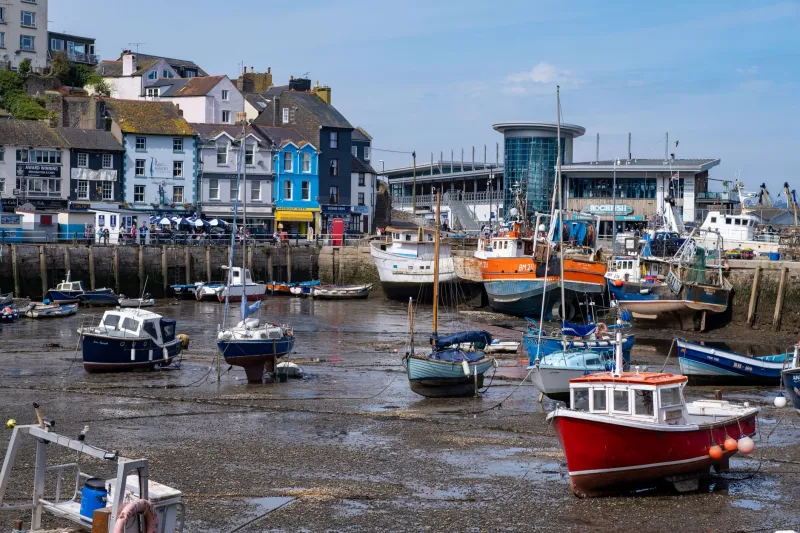
Brixham: net mending on a working fish quay
Brixham is not a heritage set. It is a working harbour, and the net lofts and fish quay give a net-mending session an edge that a museum cannot. You will learn basic knots, mesh repair and the wristy rhythm that turns a tangle into something usable. It is fiddly, repetitive and oddly soothing. It also makes you look at every fishing net on every quay wall differently.
Ask the harbour authority or the local maritime heritage group what is running; provision varies with the fleet and the season. Stay in the harbour bowl and walk to the session. Early starts are common, so a B&B within sight of the masts beats a hotel on the ring road.
Bristol: Underfall Yard's maintenance groove
Underfall Yard is a proper harbour workshop, not a craft centre with a gift shop. Its volunteer sessions and short courses lean towards boat maintenance, tool use and the unglamorous skills that keep wooden boats afloat: sanding, painting, caulking and looking closely at rot. A half-day here is practical and a bit gritty, which is exactly the point.
Stay around Harbourside and walk to the yard. Midweek off-season visits are quieter, and the harbour walk back in the evening is one of the best free bits of Bristol. Book direct and ask what clothing you need; old clothes are more welcome than a new waterproof.
Lyme Regis: the Boat Building Academy and the Cobb
The Boat Building Academy at Lyme Regis runs short courses in wooden boat repair and construction, with a strong emphasis on hand tools and real boats. A half-day taster might cover tool sharpening, timber assessment or a simple repair. The Cobb is a short walk away, so you can end the day looking at the boats rather than just the bench.
Stay within the town and walk everywhere. Off-season Lyme is calm, but check opening times for the smaller cafés and pubs. A two-night stay gives you one day at the bench and one day on the coast path without cramming.
How to book a winter session
Ring or email the yard directly rather than relying on a generic booking platform. Ask three questions: how many students per instructor, what tools and protective gear are provided, and what happens if the weather turns. Outdoor sessions can be moved or cancelled; a good provider will tell you before you pay. Midweek dates are easier to find and often cheaper. If you are buying as a gift, ask for a voucher with a long expiry rather than a fixed date.
What to bring, and where to sleep
Wear layers, sturdy boots and clothes you do not mind ruining. Bring a notebook, a pencil and a thermos. Most yards provide tools and eye protection, but gloves are personal. Stay within walking distance if you can: harbour towns are made for leaving the car behind, and off-season guesthouses often have rooms that would be booked solid in July. The craft is the reason for the trip, but the walk back along the quay is the bit you will remember.