Clank, Clunk, Coast: Six Chain Ferries That Make a Harbour Walk Feel Like an Expedition
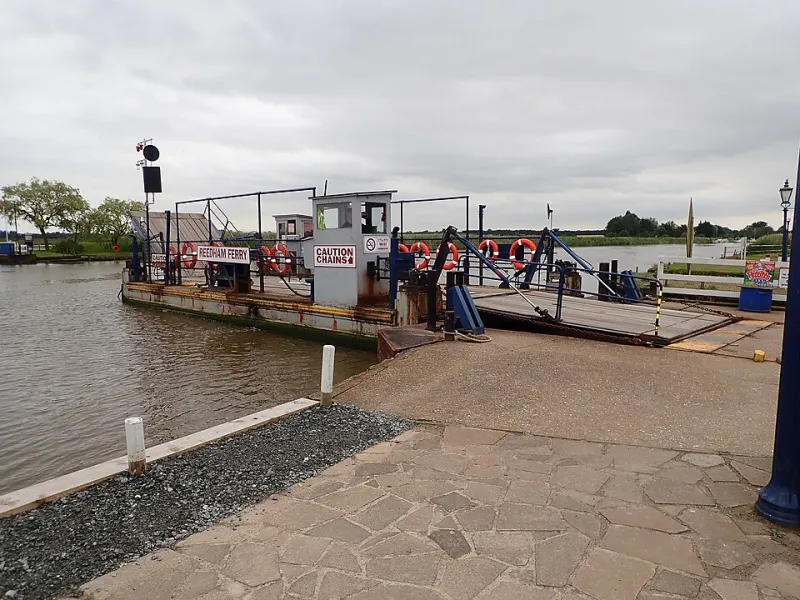
Photo: Eirian Evans , CC BY-SA 2.0, via Wikimedia Commons
There is a particular noise a chain ferry makes as it settles into the slipway. A low clank, a wet clunk, a brief metallic shiver through the deck. Then the ramp comes down, the waiting walkers shuffle forward, and a stretch of water that looked like a barrier becomes a doorway. That is the joy of these moving pieces of harbour infrastructure: they do not just get you from A to B, they make the getting there part of the walk.
Chain ferries, cable ferries and floating bridges are old technology doing a very modern job. They link quays to quiet shores, cut corners off estuary paths and turn a linear trudge into a loop. Some have been running for generations, their chains and winches part of the maritime furniture. Others feel like floating car parks with a sea view. All of them reward a bit of timing, a flask in the bag and a willingness to let the crossing set the pace.
Torpoint Ferry, Plymouth and Cornwall
The Torpoint Ferry is less a quaint crossing than a three-chain workhorse, shuttling across the Hamoaze between Plymouth and Torpoint around the clock. Foot passengers usually travel free, which makes it one of the great budget moves in the South West: arrive by train in Plymouth, walk to the ferry, and be in Cornwall before your coffee goes cold. The crossing is short, but the view is not: dockyard cranes, naval grey, the Tamar widening into something saltier.
Build a walk by heading out of Torpoint towards Mount Edgcumbe and the Rame Peninsula, where lanes turn into coast path and the Tamar keeps appearing between trees. Tide quirks are mostly about the river, not the ferry: the Hamoaze has serious movement, so check causeway and foreshore routes before you commit. Tea stops are straightforward in Torpoint and Plymouth; for beds, look at Plymouth’s Millbay hotels or a pub-with-rooms on the Cornish side. The heritage is industrial rather than pretty, and all the better for it.
Cowes Floating Bridge, Isle of Wight
The Cowes Floating Bridge is the chain ferry that thinks it is a boutique crossing. It links East Cowes and West Cowes across the River Medina, carrying foot passengers, cars and the occasional dog who would rather be elsewhere. The heritage runs deep: this is one of the oldest floating-bridge services in the country, and the current vessel still does the same basic job with a lot more electronics.
Use it as the middle of a walk rather than the whole outing. From East Cowes, the path towards Osborne House gives you a stately detour; from West Cowes, follow the Medina estuary edge or loop back through town for a harbour-wall amble. Fares are modest for foot passengers, but check the operating day carefully, especially early and late. Tides affect the ramps and the waiting lanes more than the crossing itself. Tea stops are plentiful in West Cowes; for a stay, East Cowes has the practical chain hotels while West Cowes has the pub rooms and harbour views.
Sandbanks Ferry, Poole Harbour
The Sandbanks Ferry crosses the mouth of Poole Harbour between Shell Bay and Sandbanks, and it is the closest thing this list has to a theatre curtain. On one side, Studland’s dunes and the South West Coast Path; on the other, Sandbanks’s polished waterfront and the queue of cars that appears the moment the sun does. Foot passengers pay a small fare and walk straight on, which feels like a small victory.
This is a crossing for a proper beach-and-heath walk: Shell Bay to Studland, or a longer loop taking in the coast path and the harbour edge. Weather matters here. Strong wind or poor visibility can interrupt operations, and the harbour entrance has tide enough to make the chains look busy. Check the operator’s notices before setting out. Tea stops cluster around Studland and Sandbanks; for beds, choose between Sandbanks hotels, Studland campsites and pub stays in Swanage. The ferry has been part of the local furniture since the 1920s, and it still feels like a piece of marine machinery that happens to carry people.
Dartmouth Higher Ferry, River Dart
The Dartmouth Higher Ferry is a chain ferry with a commuter’s timetable and a holidaymaker’s view. It crosses the Dart between Dartmouth and Kingswear, saving walkers a long detour around the estuary. Foot passengers pay a modest fare and are across in minutes, but the approach lanes are part of the experience: steep, narrow and lined with the kind of houses that make you check your bank balance.
Make a walk of it by joining the South West Coast Path on the Kingswear side, or by wandering Dartmouth’s harbour wall before catching the ferry back. The tide quirk here is the Dart itself: the river runs hard, and the slipways can look steep at low water. The ferry is generally frequent, but check the last crossing if you are planning a late return. Tea stops are easy in both towns; for a stay, Dartmouth has townhouse B&Bs and harbour hotels, while Kingswear offers a quieter pub base. The crossing is a reminder that a chain ferry can be both infrastructure and a decent excuse for a second cake.
King Harry Ferry, River Fal
The King Harry Ferry crosses the River Fal between Feock and Philleigh, and it is the one that feels most like a secret handshake. The approach lanes are Cornish narrow, the crossing is short, and the reward is a completely different walk on the other side. It is a chain ferry, not a floating bridge, but the principle is the same: chains pull, ramps drop, and the Fal’s wooded creeks open up.
Walkers can use it to link the Trelissick estate paths with the Roseland’s quiet lanes and creekside tracks. Tides matter on the Fal, particularly if you are tempted by foreshore paths; check the ferry’s seasonal timetable and vehicle queues in summer. Foot passengers pay a small fare, and the crossing is quick enough to do twice for the fun of it. Tea stops are best at Trelissick or in Truro; for beds, look at cottages around Feock, guesthouses in Truro or a pub stay on the Roseland. The ferry has been running since the 19th century, and it still earns its keep by turning a long drive into a short float.
Reedham Ferry, Norfolk Broads
Reedham Ferry is the odd one out in the best way: a small chain ferry across the River Yare, linking Reedham with the quiet north bank and the Wherryman’s Way. It is not a coastal crossing in the salt-spray sense, but it is a harbour-and-estuary crossing that walkers love, and it makes a flat Broads walk feel like a proper journey. The ferry is small, the chains are visible, and the pace is pleasantly unhurried.
Use it to build a loop along the Yare, with reed beds, drainage mills and big skies rather than cliffs. Tides and river levels affect the ramps, and the ferry does not run like a city bus, so check the day’s times before you rely on it. Foot passengers pay a small fare; cars are best left behind. Tea stops in Reedham are close at hand, and for beds you can choose a village pub or use Norwich as a base. The ferry has been part of the Broads’ transport story for centuries, and it remains a lovely reminder that a chain and a winch can still be all the technology a crossing needs.
Ride the chains, not the clock
A few practical rules will keep these crossings sweet. Check the operator’s website or local notices on the day, because timetables shift with seasons, weather and maintenance. Carry a little cash even if card is accepted. Foot passengers almost always pay less than cars, and some crossings are free for walkers. Tides rarely stop a chain ferry, but they can change the ramp angle, the waiting area and the walk you can do on the far side. And if the ferry is paused, treat it as a hint: find the tea room, read the harbour noticeboard, and let the water set the schedule. The crossing is the adventure, not the delay.