Crew Kit, Quiet Slip: Six Lifeboat Stations Where Walkers Are Welcome
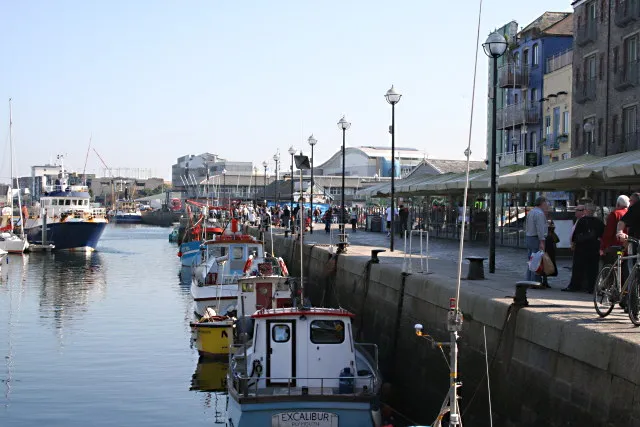
Photo: Karen Smith, CC BY 4.0, via Wikimedia Commons
A lifeboat station is a building with two moods. One is all pager, boots and diesel; the other is a swept floor, a kettle and a slipway drying in the wind. Walkers tend to arrive in the second mood, which is exactly why the visit works — provided you remember you are a guest in a workshop, not a spectator in a grandstand.
The six boathouses below all make room for the curious, in different ways: a museum here, a viewing gallery there, a shop and a chat by the door. All of them sit within a short stroll of a harbour wall worth walking, and all of them have a bed within reach. Check opening times before you travel — winter hours in November are often volunteer-shaped, and a station that opens daily in August may be weekends-only now.
The Etiquette Bit: Look, Ask, Step Aside
A few rules cover almost everything. Stay behind the barriers and off the launch slip; it is a road for a tractor, not a viewing platform. Don't touch the kit — a helmet that looks idle may be someone's fitted gear. Ask before photographing crew or volunteers, and keep drones grounded unless you have been told otherwise. If a pager goes off, put the phone away, clear the doorway and let the crew do the thing they trained for. And put something in the collection box: these visits are free because somebody else paid for the roof.
Whitby: The Old Boathouse Tells the Story
Whitby does the neat trick of having a lifeboat museum in an old boathouse, so the history is literally under the roof beams. The volunteer on the door is usually good for a yarn about launches off the beach, and the exhibits make sense of the town's relationship with a harbour that has never been especially polite to boats.
The walk is a classic: cross the bridge, follow the quays, then take the West Pier out towards the lighthouse and back along the East Pier for a proper look at the Esk mouth. If the tide is out, the lower path gives you the full picture. Stay in the old town, somewhere off Flowergate or Church Street, where you can leave the car and walk to the boathouse in ten minutes.
Cromer: A Museum, a Pier and a Proper Promenade
Cromer splits the lifeboat story across two buildings: the working station on the pier and the Henry Blogg Museum in the Rocket House on the promenade. The museum is the one for a damp November afternoon, with display cases that reward a slow read rather than a quick shuffle.
The harbour-wall walk here is really a promenade walk: from the pier along the front, then up onto the cliff path towards Overstrand if the weather is behaving. It is bracing in the best sense. For a bed, look at the seafront hotels along Runton Road — you can be on the promenade before breakfast and back in time for the museum to open.
The Mumbles: Watch the Water, Not the Crew
The Mumbles lifeboat station sits at the end of a pier that has been rebuilt more times than anyone can be bothered to count, and the boathouse is a working space with a viewing area that lets you see the kit without getting underfoot. Check ahead: volunteer cover varies, and the shop is not always manned.
The walk is a Swansea Bay staple — out along the pier, back through the village, then west along the prom towards Limeslade for the view back across the bay. Stay in Mumbles itself, in one of the guesthouses up the hill, and you can walk to the station without moving the car.
St Ives: Harbour Wall, Gallery Glass
St Ives has a boathouse right on the harbour front, with a viewing gallery that turns a working station into a place you can peer into politely. It is a good wet-weather stop between gallery visits, and the volunteers are used to answering the same three questions with good humour.
The harbour wall walk is short and salty: along the quay, out to the little pier, then round to Porthgwidden for a different angle on the town. If you want more, the Island path gives you the classic postcard view. Stay on Back Road or one of the lanes behind the harbour, where a B&B will store your boots and point you at the best breakfast.
Anstruther: East Neuk Boathouse and a Coastal Path
Anstruther's station sits in a town that has always made its living from the sea, and the nearby Scottish Fisheries Museum fills in the wider story if the boathouse itself is closed. The station is a working one, so treat the open door as an invitation to look, not to wander.
The walk is excellent: follow the harbour east to Cellardyke, then pick up the Fife Coastal Path for as long as the light lasts. It is a proper off-season leg-stretch, with the Isle of May lurking offshore. Stay on Shore Street or one of the side streets, and you can be at the harbour for first light without a single traffic light.
Moelfre: Anglesey's Quiet Corner
Moelfre is the kind of place where the lifeboat station feels like the village's front room. There is a visitor area and a shop, and the volunteer on duty will usually tell you more than the panels do if you ask nicely. Check the RNLI station page before you go — opening is seasonal and volunteer-dependent.
The walk heads west along the Anglesey Coastal Path towards Traeth Bychan, with a detour to the old watch house if you have the legs. It is short, sharp and full of sea. Stay in a cottage in the village or a farmhouse B&B just inland, and you get the quiet end of the island without the drive home in the dark.
The Short Version
Go in the quiet between call-outs, not during a shout. Read the signs, stay behind the line, ask before you snap, and leave the slipway clear. Then walk the harbour wall, eat something warm, and sleep within walking distance. That is the whole method — and it works at every one of these six.