The Quay Counted First: Six Harbour Weighbridges That Still Anchor a Good Walk

Photo by Photo by Mingming Ouyang on Unsplash on Unsplash
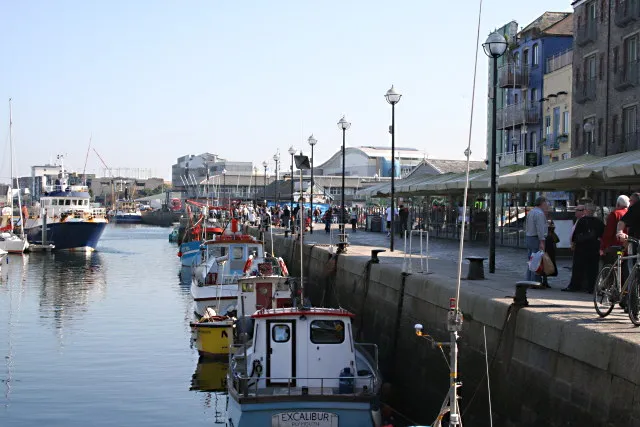
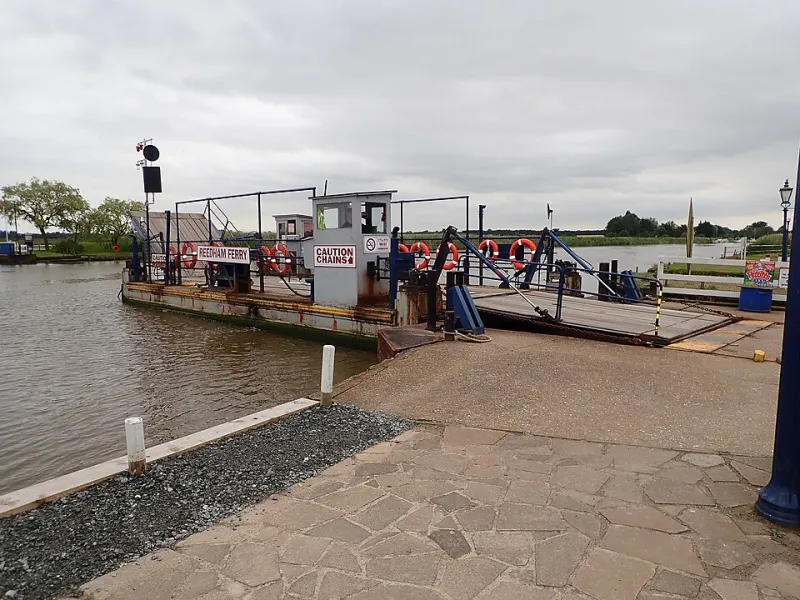
Harbour weighbridges are the quiet accountants of the coast. They do not shout like a lighthouse or charm like a chandler's window. They sit low, often rust-marked, sometimes half-hidden under a lean-to, and they ask a very plain question: what does this catch, this cart, this sack actually weigh? For a port walk, that is a surprisingly good starting point. A weighbridge turns a quay into a story about trade, and it gives you an excuse to look at the ground under your boots.
What follows is not a league table. It is a loose six-stop tour of harbour weighing places around the UK, chosen because each one sits beside a decent short walk and leaves enough visible evidence to make the detour worthwhile. Access varies at working ports, so treat active markets and dock estates as look-from-outside places unless signs say otherwise. And do check locally before making a special trip: harbour furniture has a habit of being moved, fenced or repainted into anonymity.
Brixham, Devon: The Fish Market Plate
Brixham has always been a port that counts. The fishing market here is the sort of place where a box of cuttlefish and a box of sole are not just cargo but arithmetic. The old weighing point by the fish market area is a modest thing — a plate, a kerb, a bit of ironwork that has been walked over by thousands of boots — but it is a useful reminder that the harbour's real currency was never postcards. It was weight, price and tide.
Pair it with a loop out to the Breakwater and back by Battery Gardens. The walk gives you the wide view of the bay, then drops you back among the masts and market roofs. Practical note: the fish market is a working site, so do not wander into loading areas. Look for the older quay surfaces and weighing furniture from the public side, and keep an eye out for interpretation boards near the harbour.
Newlyn, Cornwall: The Market Weigh House
Newlyn is a proper fishing port with a proper sense of urgency. The weigh house and market buildings around the harbour are not heritage set-dressing; they are part of a machine that still moves fish before most of us have found the kettle. The interesting thing for a visitor is how ordinary it all looks — a roof, a shutter, a concrete floor — until you clock the scales and the sheer logistics of turning a night's catch into a morning's auction.
Walk west along the South West Coast Path towards Penzance for a low, bright stretch of sea wall and harbour edge. It is short enough for a blustery afternoon and long enough to earn a sit-down. Practical note: Newlyn's market side is busy and not a visitor attraction in the theme-park sense. Stay on public paths, respect the trucks, and save your lingering for the outer quay and the coast path.
Fleetwood, Lancashire: Dock Gates and the Weigh Hut
Fleetwood wears its dock heritage in straight lines: gates, rails, warehouses and a grid of streets that still feels arranged around work rather than leisure. The old weighing infrastructure around the fish dock and harbour area is the kind of thing you might miss if you are only looking at the sea. Look down. Look for the small hut, the heavy plate, the worn edge where carts and lorries once queued.
A good companion walk is the Esplanade towards Marine Hall, with the Wyre estuary opening out and the Lancashire sky doing its usual wide-screen thing. It is a bracing, flat leg-stretch rather than a hill day. Practical note: parts of the dock estate are active or fenced. The best approach is to read the public quay and promenade first, then look back at the industrial edges rather than trying to poke about inside them.
Scarborough, North Yorkshire: East Pier and the Old Fish Quay
Scarborough's harbour is a layered place: pleasure boats, fishing gear, amusement arcades and the castle looking down as if it has seen it all before. The old fish quay and East Pier area is where the weighing story feels most tangible, because the harbour still has that busy, slightly scuffed feel. A weighbridge here was never decorative. It was the point where a catch stopped being a heap and became a transaction.
Walk the harbour circuit — East Pier, around the inner harbour, then up towards the castle headland if your legs are willing. The short version is a ten-minute amble; the longer version adds a proper climb and a view back over the quay. Practical note: the pier is exposed in bad weather, and the harbour edge can be slippery. The old weighing points are not always signed, so look for older stone setts and metal plates rather than expecting a museum label.
Whitehaven, Cumbria: Coal, Quay and the Weighing Floor
Whitehaven is a coal port in its bones, even when the sun is out and the marina looks almost Mediterranean. The harbour's history is one of carts, ships and tally books, and the weighing floor belongs to that world. It is less about fish boxes here and more about bulk: coal, goods, the sheer grind of moving heavy stuff from quay to hold.
Take a walk along the harbour edge and then up towards the Candlestick or around to the old pit-related sites if you want the fuller industrial story. The town's grid streets are a pleasure in themselves, especially in low winter light. Practical note: Whitehaven has done a lot of good work on public quay access, but not every old industrial feature is interpreted. Treat the weighbridge remains as a piece of detective work rather than a formal attraction.
Oban, Argyll: The Fish Quay Pointer
Oban is a ferry town, a fishing town and a walker's staging post all at once. The fish quay area has that familiar west-coast mix of serious work and holiday bustle, and the old weighing point is the sort of detail that rewards a second look. A pointer, a plate, a little cabin — these are the small instruments that kept the port honest.
Walk up to McCaig's Tower for the classic view over the bay, or take the short stretch towards the Kerrera ferry for a flatter harbour-edge wander. Either way, you get the sense of how the town turns its back on the water only rarely. Practical note: Oban is a working ferry port, so traffic and foot passengers mix. Keep clear of loading lanes, and if you are heading for the fish quay, check what is publicly accessible on the day.
The practical bit
A harbour weighbridge is rarely a headline sight. It is a plate you might trip over, a hut you might mistake for a store, a pointer you might read as scrap. That is exactly why it works on a port walk: it slows you down and makes you look at the quay as a place where things were counted, argued over and loaded. Take a flask, wear something that can handle salt and drizzle, and give each stop ten minutes rather than an hour. The scales may not speak, but the ground around them usually has a story.