High Water, Low Water: Five Harbour Days Built Around the Tide
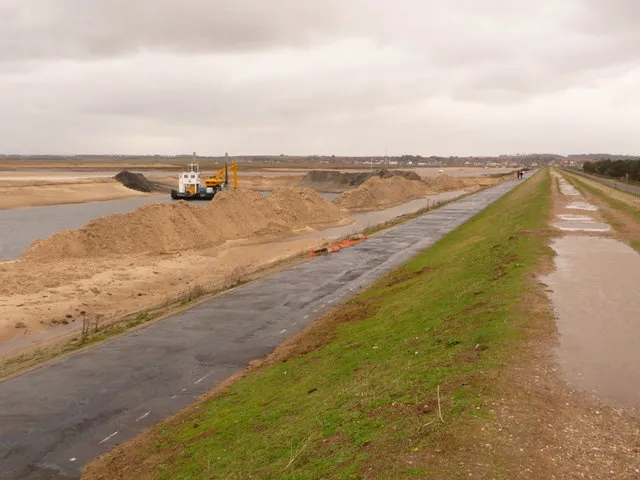
Photo: Chris Downer, CC BY-SA 2.0, via Wikimedia Commons
Tide tables have a rotten reputation. Columns of numbers, tiny superscripts, the letters HW repeated until your eyes glaze over. But stand on a harbour wall at the wrong hour and you will understand what those columns are really telling you: come back later, or come back earlier, and this place will be twice as good.
A harbour at low water and the same harbour at high water are not the same harbour. One is mud, ladders and a long walk to the sea; the other is a mirror full of masts. Plan around it and a half-day out turns into something with a shape to it.
Read the water before you book anything
Three things are worth checking the night before you travel. First, the tide times themselves — harbour authorities, the Admiralty and most council websites publish them for 2026, and the times drift by roughly 50 minutes a day, so yesterday's table is no use. Second, whether you are on springs or neaps: spring tides give you the biggest difference between high and low, which matters enormously at somewhere like Wells or Barmouth. Third, the wind. An onshore blow at high water can shut a quay edge that would otherwise be a lovely place to stand with a coffee.
The general rule: aim to arrive about 90 minutes before high water if you want boats, lunch and bustle. Aim for two hours either side of low water if you want sand, rockpools and distance.
Wells-next-the-Sea, Norfolk — the harbour that walks away from you
Low water plan. At Wells the sea does a disappearing act. The channel drains, the mudflats gleam, and the beach you could see from the quay turns out to be a twenty-minute walk away across the sand. That is the point. Walk out past the beach huts, follow the line of the channel, and you end up somewhere that feels like the edge of the country.
Maritime note. The granary on the quay is the giveaway: this was a proper trading port once, shipping malt and corn out and coal in. Look up at the Buttlands, the green where ships' captains built their houses, and you get a sense of how much money used to move through a harbour that now mostly moves crab sandwiches.
Walk. The path through the pines to Holkham, then along the beach back towards Burnham Overy if your legs are willing. Flat, big-skied, and best done on a falling tide with the wind behind you.
Stay. The Crown Hotel on the Buttlands, or the Globe Inn a few streets back — both a short, salty walk from the quay.
Whitby, Yorkshire — tide in a tight space
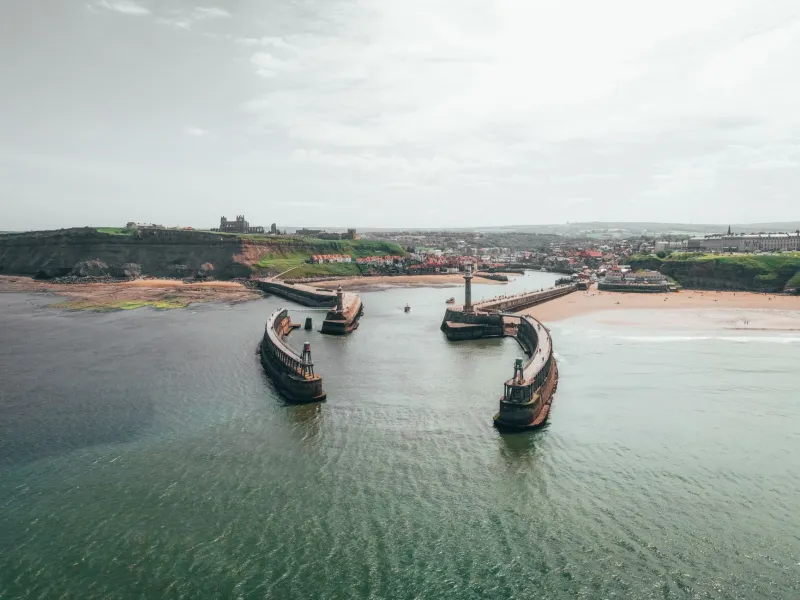
High water plan. The Esk fills quickly and the harbour gets busy with itself: boats shifting on their lines, the swing bridge doing its thing, gulls arguing over the last of the ebb. Bag a window seat above the harbour and watch the whole operation.
Maritime note. Whitby's story is one of whaling, herring and Captain Cook, and the harbour walls carry more of it than any museum label. Tate Hill Pier, the old pier beneath the abbey, is where the town's sea-going business really starts.
Walk. The 199 steps up to the abbey churchyard, then along the clifftop towards the coastguard station for the view back over the piers. At low water, drop down to Saltwick Nab instead and pick your way along the rocks.
Stay. The White Horse & Griffin, or Bagdale Hall if you fancy a bit of Jacobean gloom done comfortably.
St Ives, Cornwall — the town that gains a beach
Low water plan. The harbour beach appears as if someone pulled a plug, and suddenly there is sand where an hour ago there was a foot of green water. Families drift down, dogs go feral with joy, and the whole town seems to exhale.
High water plan. Come back when it is full and the swell is running and stand on Smeaton's Pier to watch the sea slap the outer wall. Different sport entirely, and free.
Maritime note. That pier dates from the 1770s and was engineered by John Smeaton, the same man behind the third Eddystone lighthouse. The town's fish cellars and net lofts are mostly galleries now, but the shape of the old working harbour is still legible if you look up rather than in.
Walk. The coast path towards Zennor is the serious option; the amble round to Porthgwidden and Bamaluz is the one you can do in boots and a coat without committing your afternoon.
Stay. Tregenna Castle up on the hill, or the Lifeboat Inn down by the water.
Whitehaven, Cumbria — the lock-gate town
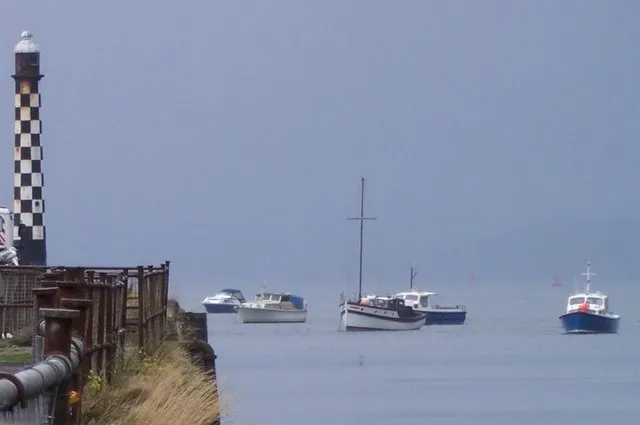
High water plan. Whitehaven is one of the few harbours where you can genuinely watch the water arrive: the gates open, the inner harbour fills, and the whole Georgian grid of streets suddenly has a purpose again.
Maritime note. This was the first planned town in England post-Reformation, laid out on coal money, and it took a direct hit from John Paul Jones in 1778 — the American raider who learned his trade here before turning up uninvited. The Candlestick chimney on the skyline is the old lighthouse, and the sandstone quays are as good as any in the north.
Walk. Round the inner harbour to the old North Pier, then up through the town to look back down at the masts. Low water suits the outer harbour and the beach at Parton better.
Stay. The Georgian House Hotel, which is exactly what it sounds like and none the worse for it.
Barmouth, Wales — estuary theatre
Low water plan. The Mawddach empties out into a vast plain of sand and channels, and the walk across Barmouth Bridge — the railway viaduct with its footway — becomes the best free viewing platform in Wales.
High water plan. The estuary floods, dinghies float, and the town's seafront promenade turns into a place to stroll with an ice cream in defiance of the weather.
Maritime note. Barmouth built ships for a living for the best part of two centuries, and the bridge arrived in the 1860s to carry the Cambrian line across the water. The town's older streets still tuck themselves into the hillside the way ports do when flat ground is in short supply.
Walk. The Panorama Walk above town for the view, or the flat push along the bridge and out towards Arthog on the far side.
Stay. The Bae Abermaw Hotel above the front, and the Last Inn for supper and a pint by the fire.
Kit for a tide-led day
Waterproof boots, because mudflats and harbour slipways are slippery in a way that trainers never forgive. A tide table saved to your phone. A healthy suspicion of anyone who says the sand is firm enough. And a willingness to come back — because the best harbour days are the ones where you see the same place twice in six hours and it feels like two different trips.
One final thing worth saying plainly: never walk out onto tidal sand or mud without knowing exactly when the water turns and which way the channels run. At Wells and Barmouth the tide comes in fast and around you rather than at you. Watch it, enjoy it, do not race it.