Rope by the Metre and Brass You Didn't Know You Needed: Six Port Chandlers for a Damp Afternoon
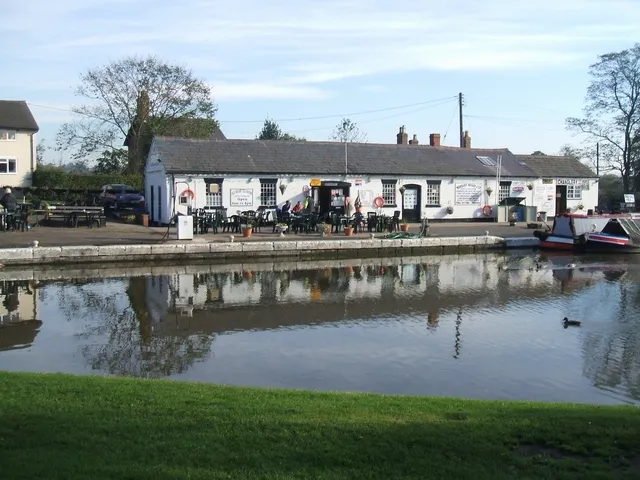
Photo: John M, CC BY-SA 2.0, via Wikimedia Commons
There is a particular kind of damp autumn afternoon when a harbour town makes perfect sense. The sea is the colour of a filing cabinet, the gulls are sulking, and the only sensible thing to do is step into a chandler's shop and pretend, very briefly, that you know what a swage terminal is.
You do not need to own a boat to enjoy a chandlery. You need curiosity, a willingness to ask a polite question, and enough self-control not to uncoil the entire rope display. The best marine stores are part shop, part workshop, part local archive: rope sold by the metre, second-hand charts with someone else's pencil marks still on them, brass hooks that feel like they should come with a certificate.
Here are six port shops worth a damp afternoon, each with a nearby walk or a place to stay when the light goes early.
Falmouth: rope, shackles and a proper browse
Falmouth has salt in its commercial DNA, and the chandlery cluster around the harbour is the place to start. This is a good shop for rope by the metre, stainless shackles, fenders and the sort of small fittings that make you redesign a imaginary boat in your head. The staff are used to people who arrive with a vague question and leave with a knot they can actually tie.
Best for: practical rope, deck hardware and a proper look at how a working port shops. Browse politely, ask before you open boxes, and do not treat the counter as a climbing frame.
Pair it with: a walk out towards Pendennis Point, where the harbour narrows and the wind does the dramatic bit. Stay: the Greenbank Hotel, which puts you close enough to the water to hear the halyards.
Dartmouth: brass fittings and old-fashioned finish
Dartmouth's chandlers are the sort of places where the word hardware feels too modern. Think brass hooks, bronze screws, varnish, cordage and a back shelf of things that look essential to somebody. This is where you buy a proper brass hook even though you have no obvious use for one, then spend the rest of the weekend finding one.
Best for: brass fittings, wood-care bits and a satisfying rummage. If you are not sure what something does, ask. Chandlers are generally delighted to explain a fitting to a curious landlubber, as long as you do not block the counter.
Pair it with: the walk out towards Dartmouth Castle, which gives you wooded river views and a decent appetite. Stay: the Royal Castle Hotel, right on the front and well placed for a pub supper.
Whitby: tarred twine and harbour practicality
Whitby is a town that wears its maritime history without fuss, and its marine shops reflect that. Look for tarred twine, fenders, fishing gear, warm gloves and the sort of practical clobber that makes a damp walk feel like a good idea. It is not a pretty-pretty souvenir shop; it is a working port shop with a sense of humour.
Best for: twine, fenders, gloves and small useful things you will actually use. The stock changes with the season and the fishing, so go in curious rather than with a rigid list.
Pair it with: the climb to Whitby Abbey and the walk back along the harbour. Stay: the Angel Hotel, which has views over the water and a comfortable old-town feel.
Harwich: charts, tide tables and old-school hardware
Harwich is a packet port with a long memory, and its marine stores suit the mood. This is a good place for charts, tide tables, basic tools and the sort of old-school hardware that comes in a paper bag. You may not need a chart of the East Coast, but you will enjoy looking at one.
Best for: paper charts, tide tables and traditional fittings. Second-hand charts are especially good value as wall art, provided you accept that the pencil marks are part of the charm.
Pair it with: a walk up to Beacon Hill for the view over the harbour and the Stour. Stay: the Pier Hotel, which is close enough to the water to make the whole trip feel properly nautical.
Porthmadog: mooring gear and a harbour that means business
Porthmadog is a small port with a big sense of itself, and its chandlery is the place for mooring gear, dinghy bits and local charts. It is the kind of shop where the conversation moves easily from rope to weather to the state of the harbour wall, and you leave knowing more than you did when you went in.
Best for: mooring lines, dinghy fittings and local knowledge. If you are browsing without a boat, stick to the smaller items: a brass hook, a rope offcut, a chart. They make excellent souvenirs and do not require a mooring.
Pair it with: a walk along the Cob and out towards Black Rock Sands if the weather behaves. Stay: the Royal Sportsman Hotel, a solid base for a wet-weather port break.
Whitehaven: rope, fenders and a proper harbour shop
Whitehaven's chandlery sits in a town that still looks like a port should: straight streets, sturdy warehouses, a harbour that has seen better and worse. The shop is good for rope, fenders, shackles and the sort of basic kit that keeps small boats afloat and larger ones tidy.
Best for: rope by the metre, fenders and practical fittings. It is also a good place to buy a proper brass hook and then spend a pleasant hour deciding what to hang from it.
Pair it with: a walk around the harbour and up to the Beacon Museum for the view back over the quay. Stay: the Georgian House Hotel, which makes a comfortable, unfussy base for an off-season harbour weekend.
How to browse a chandler without pretending you own a boat
Ask before you touch. Chandlers are usually happy to help, but they are not a petting zoo for rope. Buy something small — twine, a brass hook, a chart, a tide table — and say thank you. Do not block the counter with a full maritime fantasy. And if you leave with a length of rope you did not strictly need, that is between you and the harbour.