The Town in the Brickwork: Six Tide-Timed Port Walks That Read Like a Logbook
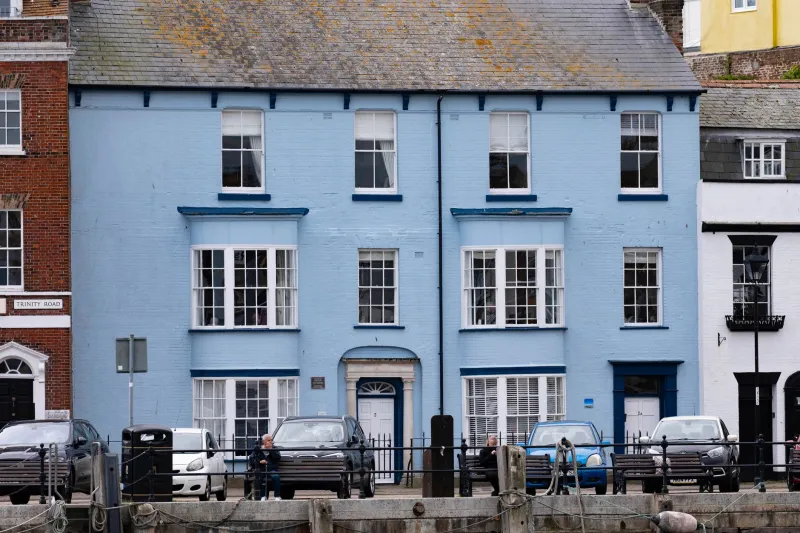
Museums are grand, but a harbour usually tells you everything before you reach the door. You just need to know where to look: the street named after a cargo, the customs house that still sits slightly too grand for its corner, the chandlery sign that has been repainted so often the letters have gone soft. A port town is a logbook written in brick, slate and salt.
The trick is to walk it slowly and with one eye on the tide. These six routes are town walks rather than sea-wall scrambles, but high water still changes the mood, closes the odd path and makes quay edges slippery. Check the tide table, wear something with grip, and give yourself 45 to 90 minutes per port. St Portwey likes a walk that ends with tea, a pub or a bed within sight of the water, so each entry comes with both.
Whitehaven: Quay Street and the old customs house
Start on the harbour edge and look for the old customs house before you look at your phone. Whitehaven was laid out with ambition in the 17th century, and the grid of streets behind the quay still feels like a town that expected to be important. Quay Street, Duke Street and the low warehouses tell of coal, tobacco and ships that went further than the map suggested.
Walk west along the quay, then loop inland for a block or two. The pleasure is in the plainness: wide streets, sturdy corners, doorways that were built for men in heavy coats. At high water the harbour has a bright, busy look; at low water you see the working bones of it. Tea stop: the cafe cluster near the harbour. Stay: the Georgian House Hotel, which keeps the town's old-town feel without demanding you own a sea chest.
Harwich: Ha'penny Pier and the Custom House
Begin at Ha'penny Pier, where the town seems to lean out over the water to see who is coming. Harwich's Custom House is the star turn — built in the early 19th century and still carrying the quiet authority of a place where paperwork mattered. From there, wander into King's Quay Street and West Street, where the names are plain but the history is not: this was a packet port, a ferry port, a place of comings and goings to the Low Countries.
Do not rush the back streets. Look for the old wall textures, the narrow gaps between buildings, the signs of a town that has been rebuilt and repointed many times. If the wind is up, the pier will let you know. Tea stop: the Alma Inn or the Pier Hotel for something warmer. Stay: the Pier Hotel, which puts you right in the middle of the maritime mood.
Falmouth: Custom House Quay and Packet Quays
Falmouth is almost too good at being a port. Start at Custom House Quay, then follow the curve towards Packet Quays, where the street names keep reminding you that this was the western headquarters of the packet service. The town did not just receive ships; it organised them, fed them, repaired them and sent them out again with mail and orders.
Walk up Arwenack Street and back down towards Church Street, keeping an eye out for old warehouse conversions and the sort of corners that look ordinary until you notice how thick the walls are. The tide matters here: at high water the harbour is all reflections and masts; at low water it shows its muddy working edge. Tea stop: a bakery near the town centre. Stay: the Greenbank Hotel, which gives you a harbour view and a proper sense of occasion.
Berwick-upon-Tweed: Quay Walls and the old customs house
Berwick is a border town, a river port and a walled surprise. Start on Quay Walls and look for the old customs house, then let the street names pull you uphill: Hide Hill, Bridge Street, the lanes that thread between stout stone buildings. This was a town of salmon, grain and cross-border argument, and the architecture still looks ready for a debate.
Walk the quay in both directions if the tide allows, then climb into the town for the view back down. The river does most of the talking here. Tea stop: the Maltings Kitchen for a sit-down and a slice of something. Stay: Marshall Meadows Bay Hotel, a short hop out of town and a good base for a coast walk the next morning.
Lancaster: St George's Quay and the Custom House
Lancaster is not a seaside town in the bucket-and-spade sense, but it is a port with its history still standing at the quay. Begin at the Custom House on St George's Quay, now a maritime museum, and walk the quay until the river starts to feel wider than the town. The Custom House was built in the 18th century, when Lancaster's merchants were making money from sugar, tobacco and, shamefully, the slave trade. The walk does not need to be solemn, but it should be honest.
Look for warehouse names and the old commercial streets behind the water. The Lune has serious tides, so keep to the paved quay and do not wander onto muddy edges. Tea stop: the Whale Tail cafe. Stay: the Borough, which makes a comfortable base for a city-and-quay weekend.
Poole: The Quay and Custom House
Poole Quay is busy, brash and full of chips, but step away from the ice-cream queue and the older town starts to show. Find the Custom House, then drift into Paradise Street and the High Street, where the names hint at a port that traded with Newfoundland and kept one eye on the Channel. The quay is a good place to watch the tide change; the back streets are where you read the town.
This is a walk for a damp afternoon, when the harbour lights come on early and the pubs look especially inviting. Tea stop: a quay-side cafe or the Guildhall Tavern. Stay: the Antelope Hotel, which has been putting up travellers for centuries and still knows how to do a proper off-season welcome.
How to read a port like a logbook
Look for names first: Quay Street, Ropewalk, Custom House Lane, Packet Quay. Then look for dates on lintels and warehouse walls. Then look at wear: steps hollowed by boots, bollards polished by rope, signboards repainted until the letters blur. A port is not a museum exhibit; it is a working notebook with the weather still coming in.
Take a flask, check the tide, and leave time to sit on a wall. The best harbour walks are not the ones with the most information boards. They are the ones where you suddenly understand why the town is shaped the way it is.