The Harbour Has a Voice: Six Port Walks Led by Horns, Bells and Fog Signals
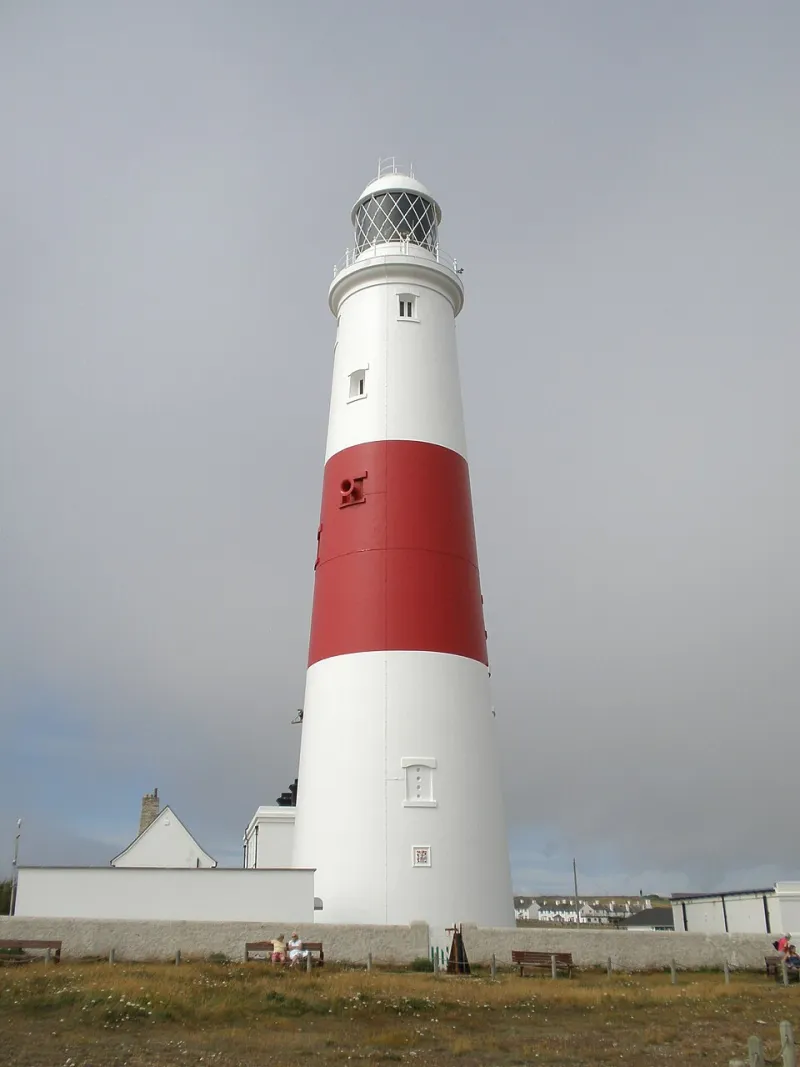
Photo: Amanda Slater from Coventry, West Midlands, UK, CC BY-SA 2.0, via Wikimedia Commons
A harbour is never silent. Even on a flat, grey morning it mutters: mooring chains, gull traffic, a halyard tapping a mast. Add a bit of fog and the volume goes up. Fog signals boom, buoy bells clang, ferry horns answer the quay, and announcements bounce off the sheds. The result is a soundscape you can walk to — not a concert, more a loose itinerary. These six port routes are short, self-guided and best done in 2026’s off-season, when the wind has the place to itself and the audible rhythm is easier to follow.
Pack a flask, leave the headphones at home and give each stop a couple of minutes of standing still. Sound travels strangely around harbour walls. What you hear at the pier head may vanish fifty yards back.
1. Portland, Dorset: the reed horn and the working quay
Start at Castletown, the harbour side of Portland, where the pace is slower than the famous Bill. Walk the loop around Portland Marina and the Mere, then take the raised path above the beach. In fog, the reed horn at Portland Bill carries across the lower island — a low, deliberate note that seems to come from the stone itself. It is a landfall signal, not a chat: it tells vessels where the bill is when the horizon has gone.
Stand on the marina breakwater for the harbour layer: engine notes, trailer winches, the clink of rigging. Then walk ten minutes inland and listen for the change as the horn drops behind the ridge. This is a 45-minute amble, not a hike. Finish with a coffee from a marina cabin and watch the fog roll over the Chesil bank.
2. Swanage, Dorset: pier boards, bell buoy and Anvil Point
Swanage Pier is the listening post. Stand near the far end and you get the harbour’s small sounds — footsteps on wet boards, a dinghy painter slapping, the occasional shout from the slipway. Out in the bay, a bell buoy keeps its slow, metallic time. It marks shoal water, which is why it sounds so patient and so stern.
Walk west along the coast path towards Durlston Head and the sound changes again. Anvil Point’s fog signal — a bell in some conditions, a horn in others — cuts through the gorse. Stand where the path turns above the quarry to hear it best. The walk is about 1.5 miles each way, with a proper café at Durlston Castle if the weather turns. Go early; the car park fills by mid-morning even in winter.
3. Holyhead, Anglesey: ferry horn and South Stack
Holyhead is a port that talks to Ireland all day. Start at Newry Beach and follow the path along the breakwater. The Dublin ferry’s horn is the big event — a deep, unhurried blast that rolls across the harbour and sets off car alarms in the town. It means movement: a vessel is manoeuvring, so give the water your attention.
For the fog signal, look west. South Stack’s horn is a landfall sound for the shipping lanes, and on a damp south-westerly it reaches the edge of town. Stand on the breakwater’s elbow, out of the wind shadow, and listen for the gap between the ferry announcements and the lighthouse. The walk is a flat 30 minutes each way. Add the climb to South Stack only if the forecast is kind; the cliffs are no place for a casual stroll in a squall.
4. Yarmouth, Isle of Wight: the Needles and the harbour bell
Yarmouth is small enough that the harbour sounds arrive all at once. Start on the pier, where the ferry’s wash slaps the pilings and the quay announcements carry cleanly across the water. Then walk west along the sea wall towards Fort Victoria. The Needles fog signal is the distant voice here — a repeated blast that seems to come from beyond the headland rather than from the sea in front of you.
Stand at the Fort Victoria viewpoint, where the path opens up, and give it five minutes. The signal is a position report in sound: it tells mariners where the Needles channel begins. The harbour bell, by contrast, is a local note — short, bright and easy to miss under the wind. The whole walk is under an hour. Take the chain ferry back if the weather has turned.
5. Whitby, North Yorkshire: swing bridge bell and pier signal
Whitby’s soundscape is vertical. Start at the swing bridge and listen for the bell that warns traffic before the deck moves. Then walk out along the west pier, where the harbour authority’s old fog signal station sits like a sentry box. It is heritage now, but the pier still funnels sound: waves under the planks, gulls overhead, a fishing boat’s engine idling in the basin.
Cross to the east pier for the best angle on the harbour mouth. In a northerly blow, the fog signal’s history is easier to imagine than to hear, so treat it as a prompt rather than a promise. Climb the abbey steps afterwards and listen for the town’s hum rising through the mist. The walk is 45 minutes without the climb, and the 199 steps are optional penance.
6. Oban, Argyll: CalMac announcements and the Lismore note
Oban is the most conversational of the six. Start at the North Pier, where the CalMac ferries load and the announcements are part of the weather report: sailings, vehicle queues, a reminder to mind the gap. The ferry horn is a punctuation mark — one long note and the harbour seems to inhale.
Walk up to Pulpit Hill for the wider view. From here, the sound of the town drops away and the water takes over. On a foggy day, the Lismore light’s signal can be heard across the bay, faint but regular — a landfall note for the Sound of Mull. Stand beside the war memorial and listen for the pattern: horn, pause, horn. It is the harbour’s version of a heartbeat. The walk is a steep 20 minutes up and a gentle 20 down. Reward yourself with a bacon roll at the pier.
How to walk a soundscape
Go early. Sound carries better before the town wakes up and the wind has had time to build. Check the tide and the forecast, but do not cancel for fog; fog is the point. Wear layers and a hat that does not flap over your ears. Stand still for at least two minutes at each listening point, and cup your hands behind your ears if the wind is awkward. Note which direction the sound comes from — that is often more useful than the sound itself.
Finally, do not treat every signal as a guarantee. Some are seasonal, some are heritage, some are drowned out by a passing lorry. The pleasure is in the attempt: a blustery morning, a working quay and a harbour that tells you where you are without a single signboard.