Ten Minutes at the Pinboard: Six Ports That Brief You Before You Ask
You can arrive at a port, park the car, and head straight for the quay. But the real briefing is usually pinned to a board by the harbour office, the fish market or the ferry slip. It is free, immediate and more honest than any website. The harbour noticeboard tells you what locals assume you already know: when the tide turns, where dogs must be on leads, which slipway is closed, and whether the ferry is running to the clock or to the water.
How to read a harbour board
Start at the top left: official notices. Harbourmaster bylaws, mooring limits, speed restrictions, a warning about the ice plant. Then the tide table, often curled at the corners and marked with a coffee ring. Then the middle: handwritten cards. A dinghy for sale, a mooring wanted, a lost oar, a crewing notice. The bottom is where the lifeboat collection tin sits, beside a poster for a choir or a regatta.
Look at what is fresh. New staples mean an active port. Faded cards tell you what has stopped. Check the handwritten ferry times — they often change with the tide, not the timetable. If the board is glass-fronted and locked, it is a managed port; if it is a sheet of marine ply and a box of drawing pins, it is a place where you ask. Either way, read it before you ask a single local. You will ask better questions.
Newlyn, Cornwall
The board by the fish market end is a working document. Tide tables, ice suppliers, notices about net mending. Dinghy cards for sale sit beside a lifeboat collection tin. The handwritten note is not about a ferry but about fish auction times. Read it and you know the port starts before dawn. Dogs on leads along the quay. Keep clear of the ice plant. It is not unfriendly; it is a checklist.
Brixham, Devon
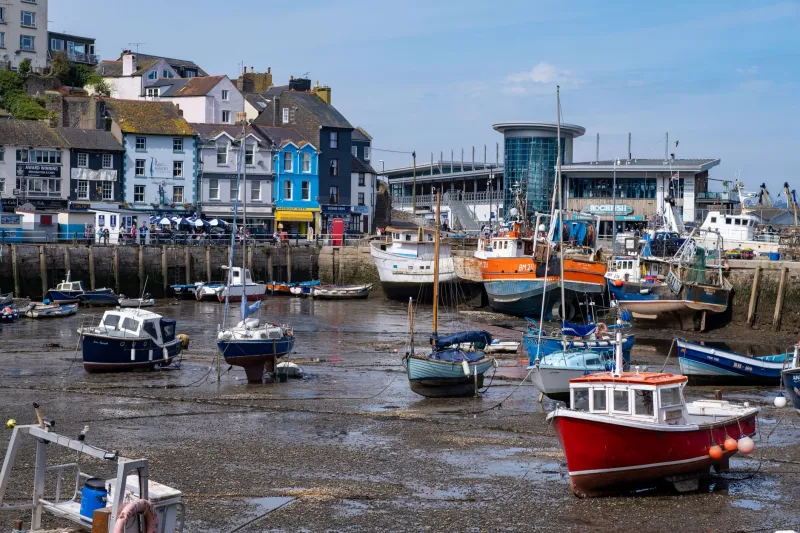
The board near the heritage trawler berth is tacked with cards for crewing, a lost buoy, a dinghy. The lifeboat tin is full of pound coins. There is a notice about mackerel lines and litter. The tide table has a coffee ring on it. The board says the harbour is a place of work and a place of play. If a handwritten ferry time has been changed, it is because the tide said so. The board teaches you to look at the water, not the clock.
Whitby, Yorkshire
The board on the quayside near the swing bridge carries notices for the regatta, dog bylaws and a missing cat. The tide table is behind glass, but the dinghy cards are not. One card says 'rowing boat, good condition, no time wasters'. There is a lifeboat collection tin and a poster for a choir. Read it and you know Whitby is a town that still turns out. The board is a social calendar and a safety briefing at once.
Oban, Argyll
The board at the ferry terminal is split: official notices on one side, handwritten cards on the other. Tide tables, weather warnings, a note about a missing fender. The lifeboat tin is beside a card for a mooring. The board tells you the islands are close but the weather decides. A handwritten ferry time can change with the swell. Read the board and you learn to check the forecast before you book the table.
Wells-next-the-Sea, Norfolk
The board near the quay is small and busy. Tide tables, notices about crabbing and dog rules. A card for a dinghy, a card for a mooring. The lifeboat tin. The board is polite but firm: no swimming in the channel, keep the slipway clear. The handwritten ferry time is for the little ferry to the beach. Read it and you know the tide is the timetable. The board is a lesson in patience.
Padstow, Cornwall
The board by the harbour office carries tide tables, notices about speed limits and a poster for a shanty night. Dinghy cards and a lifeboat tin. The board tells you the port is busy and the water is shallow at low tide. A handwritten note about ferry times to Rock. Read it and you know the ferry is a tide-dependent taxi. The board is a reminder to look at the water before you queue.
What the board teaches you
A board is a local briefing. It tells you the port's rhythms: when the ice is delivered, when the ferry runs, when dogs must be on leads, when the lifeboat crew is training. It tells you what is for sale and what is lost. It tells you what the harbourmaster wants you to know and what the town wants you to join. Ten minutes at the pinboard is better than an hour on your phone. It is also a test: if you can read the board, you can read the port.
The practical bit
Take a photo of the tide table. Note the ferry times. Check the dog bylaws. Put a pound in the lifeboat tin. If a card says 'no time wasters', believe it. If the board is locked, ask at the harbour office. If it is open, read the handwritten cards — they are the port's small ads and its gossip. The board is the cheapest guidebook you will ever find. It is also the most likely to be right.